Civilian Crisis Response Team
When a major natural disaster strikes, our professional responders are often overworked, short of manpower, and short of equipment.
Mutual aid can take some time to arrive on scene. The sheer scale of the disaster may find professional responders having issues in their own communities that take priority.
We witnessed this delayed response first hand during the August 2016 tornadoes in Kokomo, in the devastation of Hurricanes Harvey and Irma in 2017. We have seen how a dedicated group of volunteers can make a major difference, especially when we responded to Hurricane Helene in Western North Carolina, where we helped deliver over 1 million pounds of critical supplies via aircraft and helicopters to those most in need.
Firefighters, EMS, and Law Enforcement must prioritize their time to help those with the greatest need in the most dire situations. As a result, others in need have to wait for help to arrive.
CCRT Members are fully trained in the Incident Command System (ICS) and the National Incident Management System (NIMS). We have our own equipment, medical supplies, and dispatch/ticketing systems. We work with local authorities and DO NOT self-deploy.
We track all of our efforts and provide timely reports back to a centralized incident command center.
The Bottom Line: We help communities survive and recover.
Mutual aid can take some time to arrive on scene. The sheer scale of the disaster may find professional responders having issues in their own communities that take priority.
We witnessed this delayed response first hand during the August 2016 tornadoes in Kokomo, in the devastation of Hurricanes Harvey and Irma in 2017. We have seen how a dedicated group of volunteers can make a major difference, especially when we responded to Hurricane Helene in Western North Carolina, where we helped deliver over 1 million pounds of critical supplies via aircraft and helicopters to those most in need.
Firefighters, EMS, and Law Enforcement must prioritize their time to help those with the greatest need in the most dire situations. As a result, others in need have to wait for help to arrive.
CCRT Members are fully trained in the Incident Command System (ICS) and the National Incident Management System (NIMS). We have our own equipment, medical supplies, and dispatch/ticketing systems. We work with local authorities and DO NOT self-deploy.
We track all of our efforts and provide timely reports back to a centralized incident command center.
The Bottom Line: We help communities survive and recover.
CAMPAIGN
Grader Blade
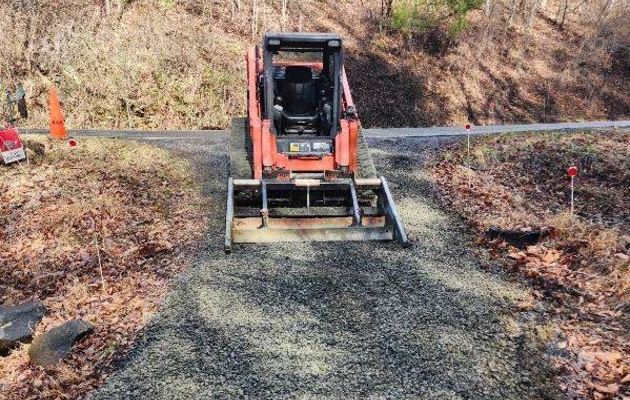
4% Funded
108.06
Raised
2
Supporters
CAMPAIGN
Trace 3 Support for Savage
Freedoms Relief Operations
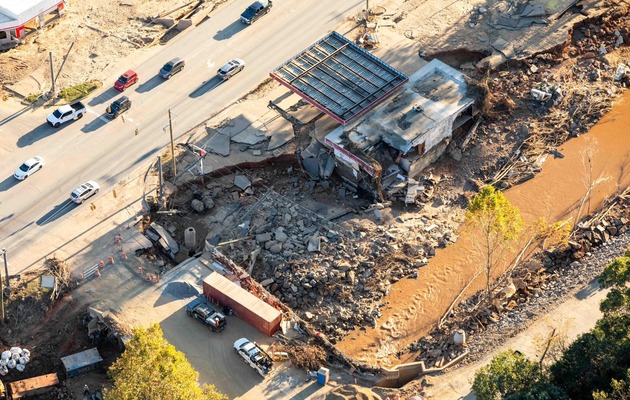
26% Funded
5279.46
Raised
27
Supporters
CAMPAIGN
Rescue / Search Boat, Engine,
and Trailer
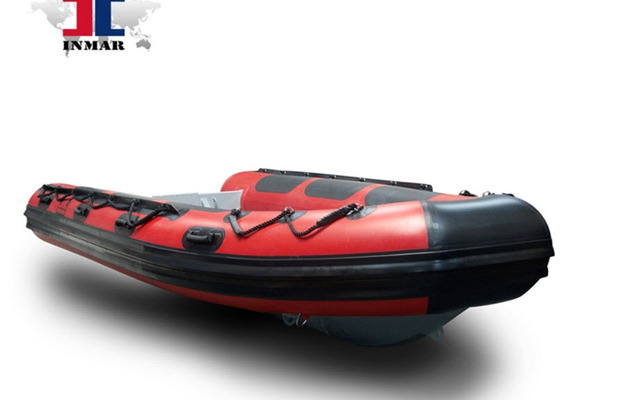
10% Funded
1956.02
Raised
9
Supporters
CAMPAIGN
General Fund

93% Funded
92602.13
Raised
535
Supporters